
trading11
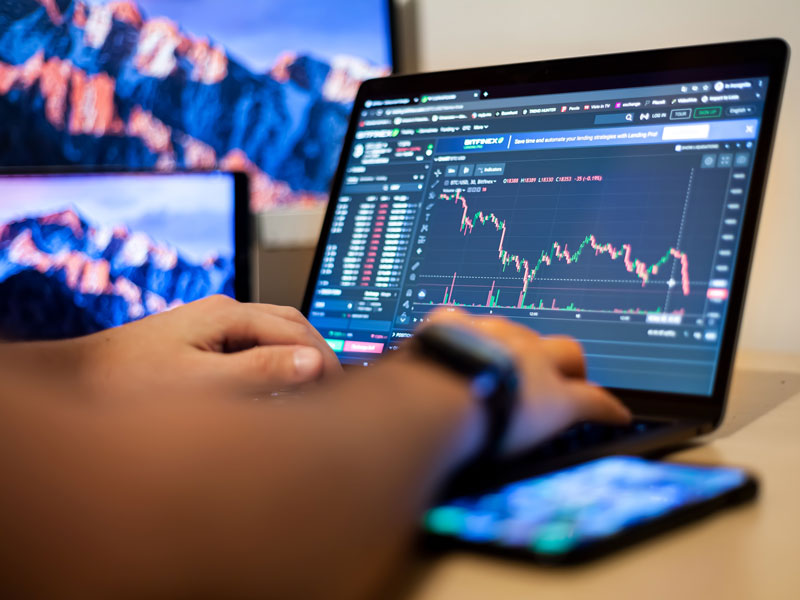
Islamic Forex trading has gained popularity among Muslim traders who wish to engage in currency trading while adhering to the principles of Sharia law. The rise of online trading platforms has made it increasingly accessible, but many potential traders may be unaware of the rules and ethical considerations involved. In this article, we will delve into the fundamentals of Islamic Forex trading, the key tenets of Sharia-compliant trading, and the benefits it offers to those looking to navigate the forex market within the guidelines of their faith. For more detailed insights, visit islamic forex trading https://tradingarea-ng.com/.
What is Forex Trading?
Forex trading, or foreign exchange trading, involves the buying and selling of currency pairs in a global marketplace. Traders speculate on the price movements of currencies, aiming to profit from fluctuations. It is one of the largest financial markets, with a daily trading volume exceeding $6 trillion. Unlike traditional stock markets, forex operates 24 hours a day, five days a week, providing ample opportunities for traders to engage in speculative activities.
Islamic Principles in Trading
Islamic finance follows specific guidelines derived from the Quran and Hadith, which govern acceptable financial practices. The core principles that traders must adhere to include:
- Riba (Usury): Any form of interest or excess charge on loans is strictly prohibited. Trading platforms that charge interest on overnight positions (swap rates) may not be compliant with Islamic law.
- Gharar (Uncertainty): Contracts that involve excessive uncertainty or ambiguity are considered haram (forbidden). This makes clear and transparent agreements essential in Islamic trading.
- Halal (Permissible): All trading activities must be in compliance with Islamic ethical standards. This includes avoiding investments in companies involved in alcohol, gambling, and other non-permissible activities.
What is Islamic Forex Trading?

Islamic Forex trading involves several tailored features that ensure compliance with Sharia law. To cater to Muslim traders, many forex brokers now offer Islamic trading accounts, commonly referred to as «swap-free accounts.» These accounts eliminate interest-based transactions, allowing traders to participate in the forex market without violating their religious principles.
Key Features of Islamic Forex Trading Accounts
Here are some critical features of Islamic Forex trading accounts:
- Swap-Free Transactions: Islamic accounts do not apply any swap or rollover fees on overnight positions, ensuring that no interest is earned or paid.
- Transparent Transactions: Brokers must provide clear terms and conditions for all trades, ensuring that traders understand the risks and rewards involved.
- Avoidance of Unethical Trading: Islamic trading accounts often prohibit trading in instruments that are considered haram, like derivatives and leveraged products that involve excessive uncertainty and speculation.
The Importance of Choosing the Right Broker
Selecting a broker that offers Islamic Forex accounts is crucial for Muslim traders. Key factors to consider when choosing a broker include:
- Regulation: Ensure that the broker is regulated by a reputable financial authority, which provides additional security for your investments.
- Account Features: Verify that the broker provides truly swap-free accounts and transparent fee structures without hidden charges.
- Trading Platform: A user-friendly trading platform with various tools and resources can assist traders in making informed decisions.
- Customer Support: Reliable customer support is essential, especially for novices who may have questions or require assistance.
Benefits of Islamic Forex Trading
Engaging in Islamic Forex trading offers several benefits for Muslim traders:
- Ethical Compliance: Islamic traders can participate in the financial markets while adhering to their religious beliefs, thus ensuring that their trading practices align with their values.
- Market Opportunities: The forex market provides significant liquidity and potential profits, allowing Islamic traders to diversify their investment portfolios.
- Global Accessibility: Forex trading can be done from anywhere in the world, making it accessible to individuals regardless of their geographical location.
Challenges in Islamic Forex Trading
Despite its advantages, Islamic Forex trading is not without its challenges. Some of these include:
- Lack of Awareness: Many Muslim traders may lack knowledge about Islamic trading principles and how to find compliant brokers.
- Limited Options: Not all brokers offer genuine Islamic accounts, which can limit trading options for Muslim investors.
- Market Volatility: The forex market is known for its volatility, which can pose risks for traders, especially those who are inexperienced.
Conclusion
Islamic Forex trading provides an opportunity for Muslim traders to engage in a lucrative marketplace while remaining within the guidelines of their faith. By understanding the principles of Sharia-compliant trading and choosing the right broker, traders can navigate the forex market confidently. As interest in Islamic finance continues to grow, the need for transparency and ethical standards in trading will remain paramount, ensuring that all participants can engage in trading activities that align with their values. Whether you are a seasoned trader or just starting, Islamic Forex trading holds the potential for ethical and profitable trading experiences.